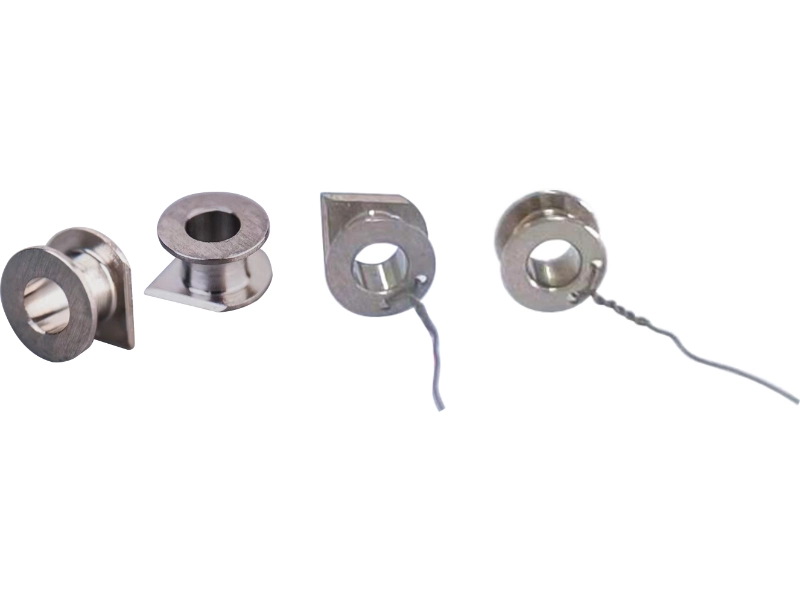

Eustachian Tube Balloon
Detailed Description
Description
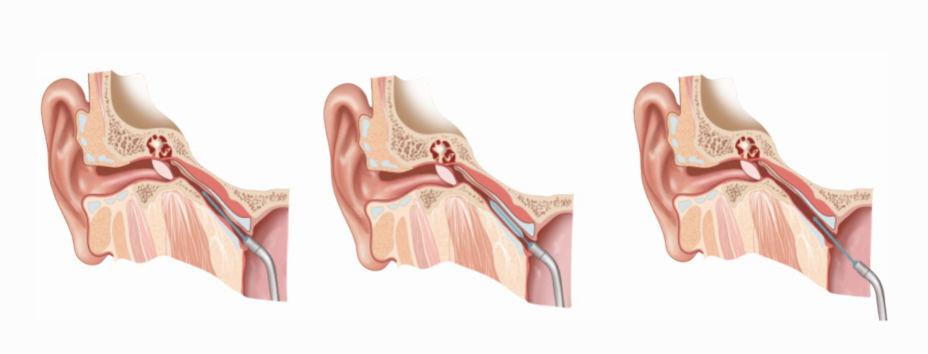
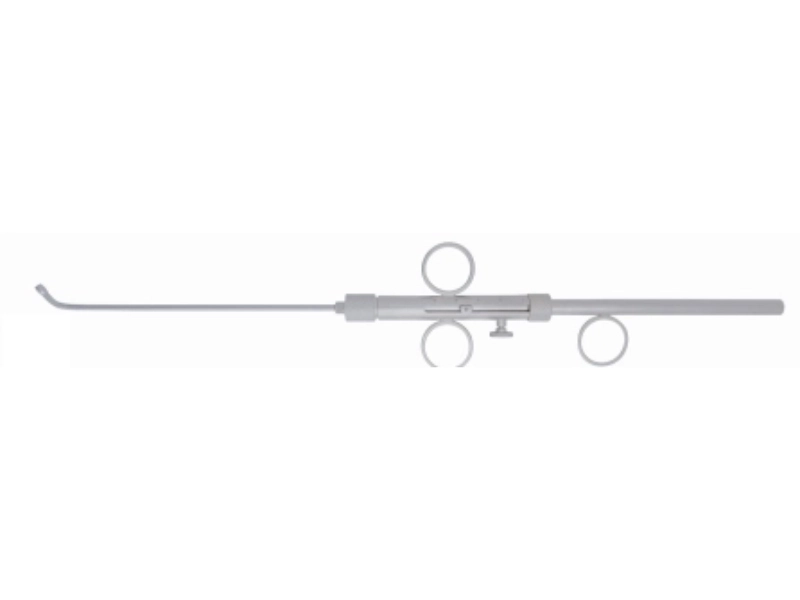
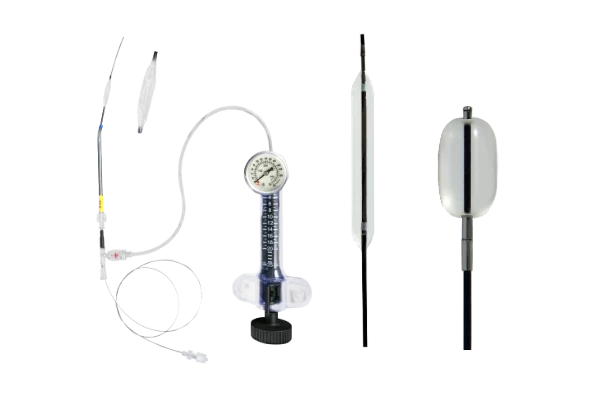
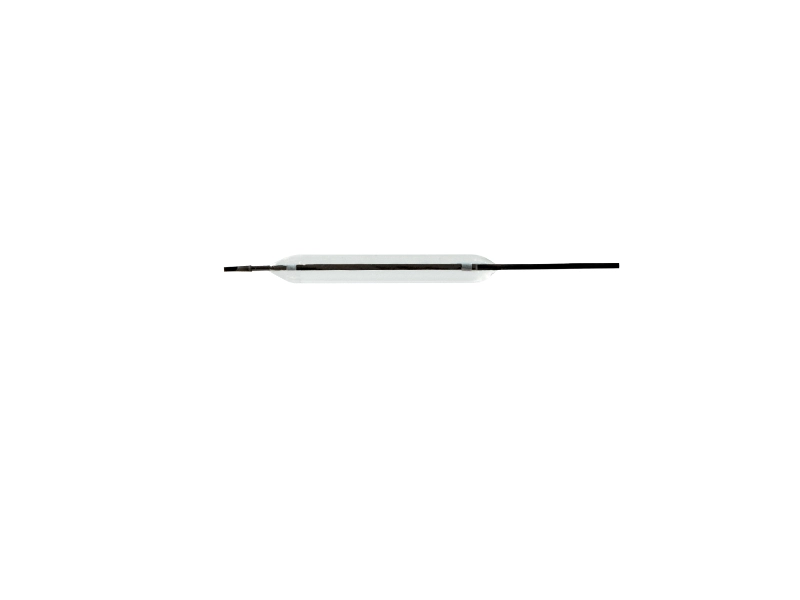
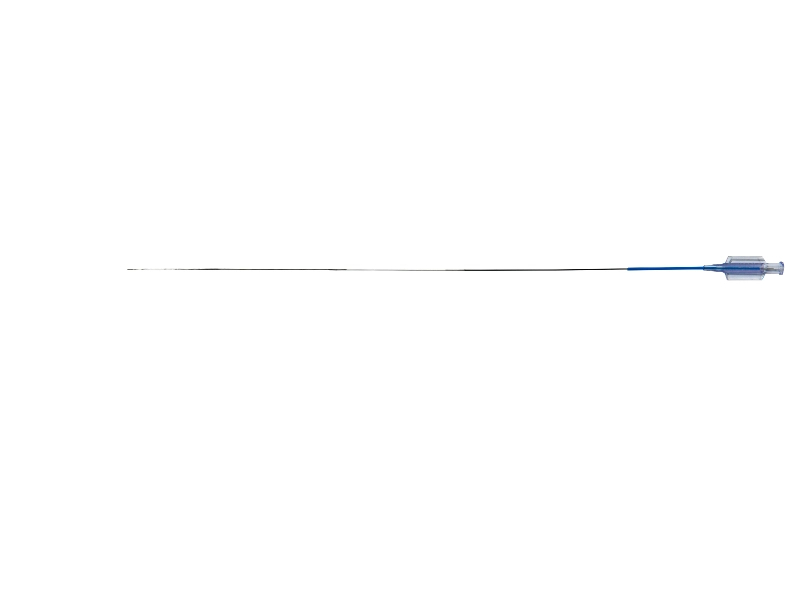
Eustachian Tube by means of a special gentle and persistently controlled dilatation.Under the guidance ot nasal endoscopy the baloon part is imserted paralely to the direction ot the eustachian tabe through a nasal guide into the eustachiantube, Saline is inijected into the baloon through a pressure pump to expand the baloon. The expansion pressure of the balloon exerts a squeezing efiect on thecartilage of the eustachian tube, which lasts for a certain period of time, thereby expanding the narrow or blocked eustachian tube.
- Minimnal Invasive:No requirement for the removal of any bones and tissues.
- Effective:Effectively opening narrow and occluded sinus ostiums, significantly alleviate symptoms.
- Safety:Achieve good therapeutic effects without other complications.
- Fast Recovery:Reduce patients’ pain and recover fast.
Product Model
| Length / Diameter | 2.5mm | 3.0mm | 3.5mm | 4.0mm |
| 10mm | ETB2510 | ETB3010 | ETB3510 | ETB4010 |
| 15mm | ETB2515 | ETB3015 | ETB3515 | ETB4015 |
| 20mm | ETB2520 | ETB3020 | ETB3520 | ETB4020 |
Product Details Display
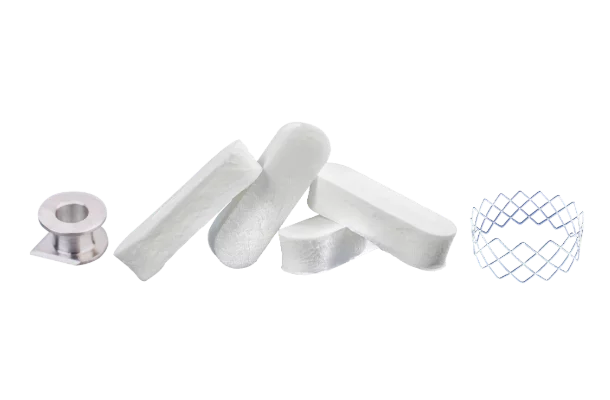
- Good flexibility,excellent expansion properties,good compressionhemostasis effect
- Biological degradation,no need to remove,reducing the pain ofpatients.
- The olive-shaped catheter tip also allows safe application where there are soft anatomical structures.


Product FAQ
-
Q
What is balloon dilation of the eustachian tube?
AIt is a minimally invasive procedure. A small balloon catheter is inserted through your nose into the eustachian tube and inflated for about 2 minutes. This widens the narrow part of the tube, helping fluid drain and air pressure balance in your middle ear. -
Q
Who needs this procedure?
AYou may be a candidate if you have: - Chronic eustachian tube dysfunction that has not improved after ≥3 months of medication or other conservative treatments - Persistent fluid in the middle ear (otitis media with effusion) that keeps coming back - Ear fullness, popping, muffled hearing, or pain when flying/diving - Poor eustachian tube function before or after ear surgery -
Q
Is it safe? Are there risks?
AThis is generally a very safe procedure. Common mild side effects include temporary nose bleeding, sore throat, or brief ear discomfort. Serious complications are rare but can include infection, worsened tinnitus, or damage to nearby structures. -
Q
Do I need to stay in hospital?
AMost patients go home the same day (day surgery). The procedure itself takes about 10–15 minutes per ear under local or general anesthesia. -
Q
Does it hurt?
AYou will feel little to no pain during the procedure. Afterward, some people experience mild ear fullness or nasal irritation for a few days, which usually resolves on its own.